


Best POS Systems for Retail: Comprehensive Comparison and Buying Guide
In the rapidly evolving retail landscape, selecting the right Point of Sale (POS) system is crucial for business success. Retail POS systems streamline operations, enhance customer experiences, and provide valuable insights into sales and inventory management. This comprehensive guide will help you compare the top retail POS systems available in 2023, focusing on their features, pricing, and integration capabilities. Retail business owners often face challenges in choosing a system that meets their specific needs, and this article aims to simplify that decision-making process. We will explore the leading POS systems, essential features to consider, pricing models, integration with other technologies, and emerging trends in the market.
Which Retail POS Systems Are Leading the Market in 2023?
As of 2023, several retail POS systems stand out in the market due to their robust features and user satisfaction. These systems include Square, Shopify, Lightspeed, Clover, and Toast, each offering unique capabilities tailored to different retail environments. Understanding the strengths of these systems can help business owners make informed decisions.
What Features Distinguish Square, Shopify, Lightspeed, Clover, and Toast?

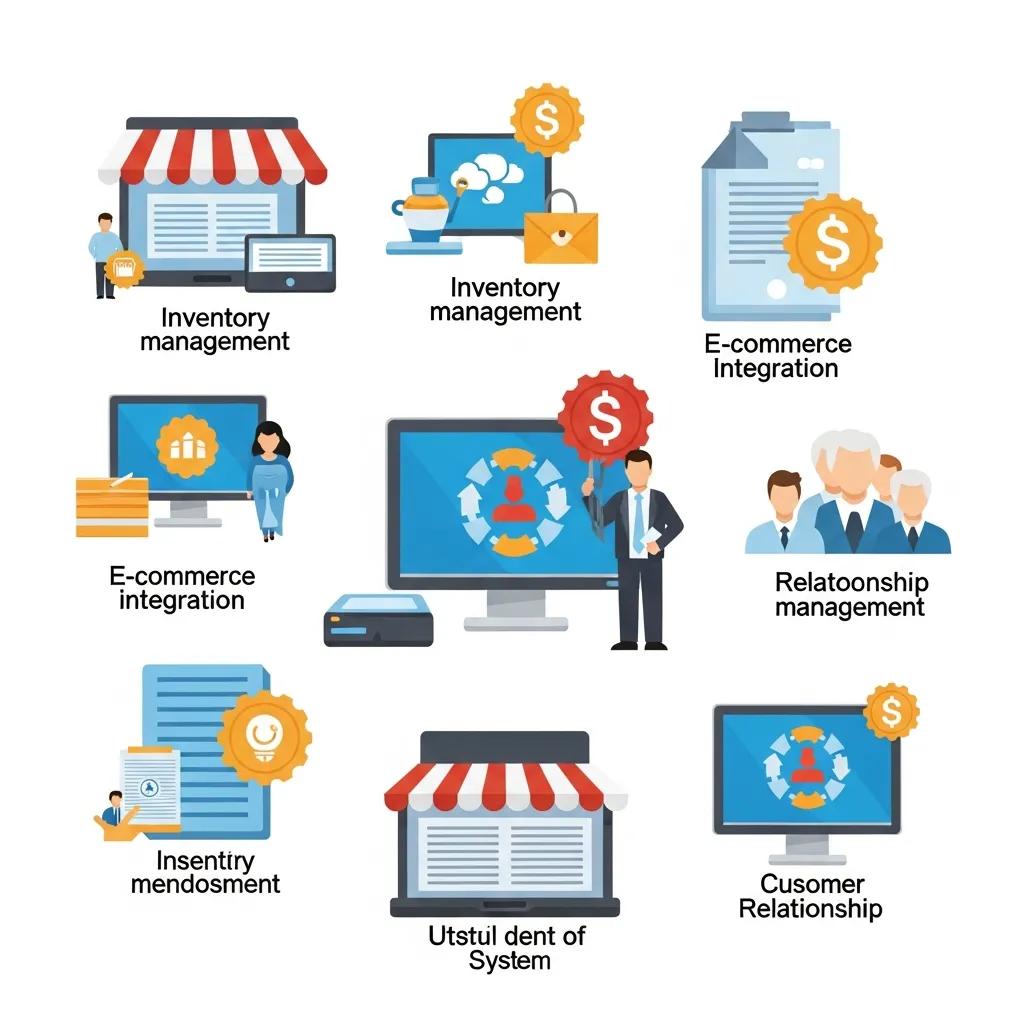
Each of the leading POS systems has distinct features that cater to various retail needs.
- Square: Known for its user-friendly interface, Square offers integrated payment processing, inventory management, and customer relationship management (CRM) tools. Its flexibility makes it suitable for both small and large retailers.
- Shopify: This platform excels in e-commerce integration, allowing retailers to manage online and in-store sales seamlessly. Shopify’s extensive app ecosystem enhances its functionality, making it a favorite among online retailers.
- Lightspeed: Lightspeed is particularly strong in inventory management, offering advanced features for retailers with large inventories. Its analytics tools provide insights into sales trends and customer behavior.
- Clover: Clover’s customizable hardware options and extensive app marketplace make it a versatile choice for various retail environments. Its strong reporting features help businesses track performance effectively.
- Toast: Primarily designed for the restaurant industry, Toast offers specialized features like menu management and table tracking, making it ideal for food service retailers.
How Do User Reviews Reflect Retail Business Owner Experiences?
User reviews play a significant role in understanding the effectiveness of retail POS systems. Many business owners highlight the importance of ease of use, customer support, and integration capabilities in their feedback. Common themes in reviews include:
- Positive Feedback: Users often praise systems like Square and Shopify for their intuitive interfaces and responsive customer service. Retailers appreciate how these systems simplify daily operations and enhance customer interactions.
- Negative Feedback: Some users report challenges with system reliability and hidden fees, particularly with Clover and Toast. These insights can guide potential buyers in their decision-making process.
What Are the Essential Features to Look for in Retail POS Systems?
When selecting a retail POS system, certain features are critical to ensuring it meets your business needs. Key features to consider include:
- Inventory Management: Effective inventory management capabilities help retailers track stock levels, manage reorders, and reduce shrinkage.
- Payment Processing Options: A variety of payment processing options, including mobile payments and contactless transactions, enhance customer convenience.
- User Interface and Experience: A user-friendly interface is essential for quick training and efficient operation, especially in fast-paced retail environments.
How Does Inventory Management Enhance Retail Operations?
Inventory management is a cornerstone of retail success. A robust inventory management system can lead to:
- Efficiency Improvements: Automated stock tracking reduces manual errors and saves time.
- Cost Savings: By optimizing stock levels, retailers can minimize excess inventory and associated holding costs.
- Customer Satisfaction: Accurate inventory data ensures that popular items are always in stock, enhancing the customer experience.
Further emphasizing the importance of streamlined operations, research highlights how web-based POS systems specifically cater to small-scale retail, enhancing efficiency and management.
Web-Based POS for Retail Operational Efficiency
The design and development of a web-based point-of-sale (POS) information system to improve operational efficiency and management for small-scale retail businesses. If the item is unavailable, the admin initiates a procurement request by selecting a supplier.
Design and Development of a Web-Based Point of Sale System for Small-Scale Retail Management, R Nindyasari, 2025
What Payment Processing and Cloud-Based Capabilities Are Available?
Modern retail POS systems offer various payment processing options and cloud-based capabilities, including:
- Types of Payment Accepted: Most systems support credit/debit cards, mobile wallets, and contactless payments, catering to diverse customer preferences.
- Security Features: Advanced security measures, such as encryption and tokenization, protect sensitive customer data during transactions.
- Cloud Benefits: Cloud-based systems allow for real-time data access and updates, enabling retailers to manage operations from anywhere.
How Do Retail POS Pricing Models Compare Across Top Brands?
Understanding the pricing models of different retail POS systems is crucial for budgeting and financial planning.
What Are the Typical Costs and Subscription Options?
Retail POS systems typically offer various pricing structures, including:
- Monthly Subscription Fees: Most systems charge a monthly fee that can range from $0 to $299, depending on the features included.
- Transaction Fees: Many systems also charge a percentage of each transaction, which can vary based on the payment processor.
- Hardware Costs: Initial hardware investments can range from $0 (for free systems) to several thousand dollars for fully equipped setups.
How Do Pricing Plans Align with Different Retail Business Sizes?
Pricing plans are often tailored to accommodate different business sizes:
- Small Businesses: Many systems offer affordable entry-level plans with essential features, making them accessible for startups.
- Medium to Large Businesses: Larger retailers may require more advanced features and support, justifying higher subscription costs.
How Do Retail POS Systems Integrate with Other Retail Technologies?
Integration capabilities are vital for maximizing the effectiveness of retail POS systems.
What Are the Benefits of Inventory and Customer Management Integration?
Integrating inventory and customer management systems can lead to:
- Streamlined Operations: Unified systems reduce data silos and improve operational efficiency.
- Improved Customer Insights: Access to comprehensive customer data allows for personalized marketing and enhanced customer service.
- Enhanced Reporting: Integrated systems provide better analytics, helping retailers make data-driven decisions.
How Does Omnichannel Retail Integration Improve Sales and Customer Experience?
Omnichannel integration allows retailers to provide a seamless shopping experience across various channels. Benefits include:
- Unified Customer Experience: Customers can interact with the brand through multiple touchpoints, enhancing satisfaction and loyalty.
- Increased Sales Opportunities: Omnichannel strategies can lead to higher conversion rates as customers engage with the brand in their preferred manner.
- Brand Loyalty: Consistent experiences across channels foster trust and encourage repeat business.
What Are the Emerging Trends and Innovations in Retail POS Systems?
How Is AI Transforming Retail POS Functionality?
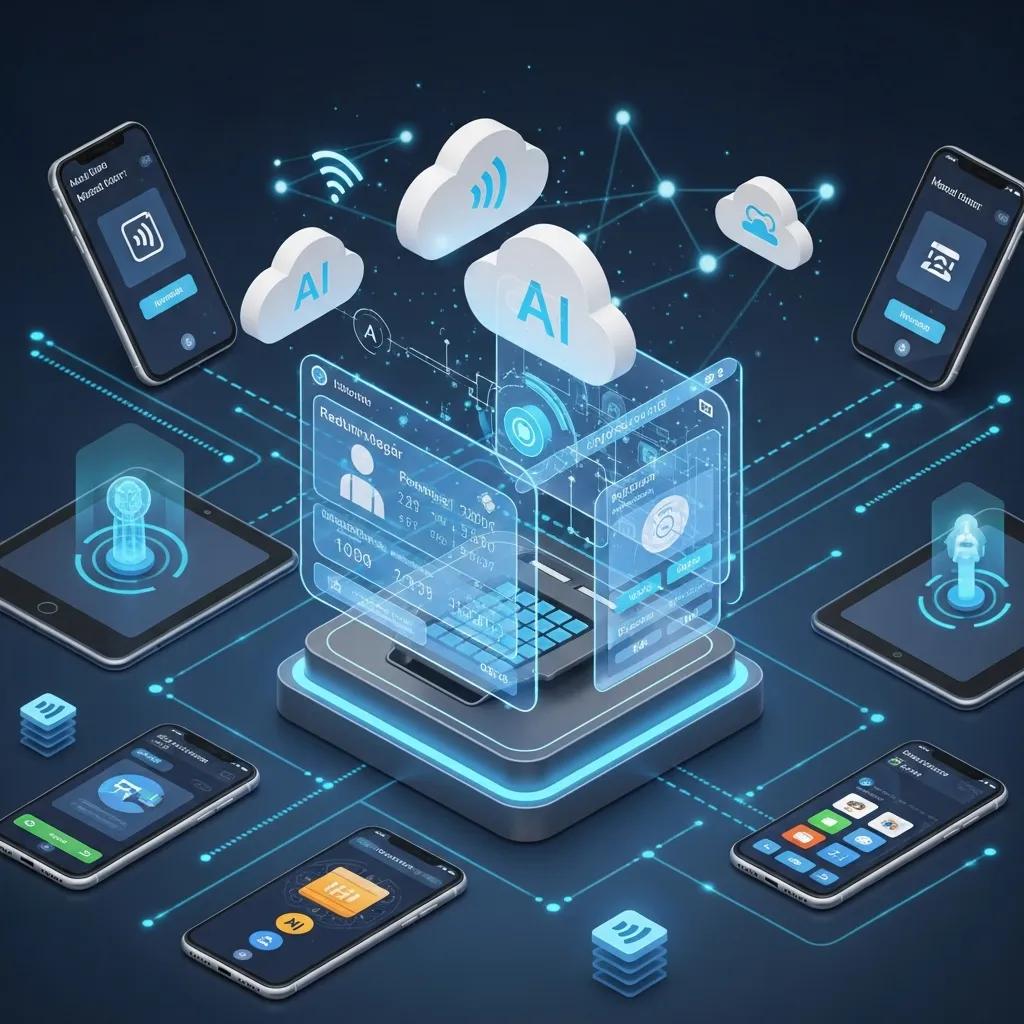
Artificial Intelligence (AI) is revolutionizing retail POS systems by:
Indeed, the integration of artificial intelligence is fundamentally reshaping the capabilities of modern POS systems, leading to significant advancements in retail operations and customer engagement.
AI-Powered POS Systems for Retail Transformation
In the artificial intelligence (AI) era, POS systems have become increasingly intelligent and sophisticated helping retailers to improve their operations, customer experiences, and overall business performance.
Digital transformation of the retail point of sale in the artificial intelligence era, LM Bacalhau, 2023
- Automation of Tasks: AI can automate routine tasks, such as inventory tracking and sales reporting, freeing up staff for more strategic activities.
- Data Analysis Capabilities: Advanced analytics powered by AI provide deeper insights into customer behavior and sales trends.
- Personalization: AI-driven recommendations enhance the shopping experience by suggesting products based on customer preferences.
What Role Do Mobile Payments and Cloud Adoption Play in Market Growth?
Mobile payments and cloud technology are driving significant growth in the retail POS market:
- Growth Statistics: The adoption of mobile payments has surged, with a projected increase in usage over the next few years.
- Consumer Preferences: Customers increasingly prefer contactless payment options for their convenience and speed.
- Future Predictions: As technology advances, the integration of mobile payments and cloud solutions will become standard in retail operations.